



- Get directions
- Share
- Leave a review
- Claim listing
- prev
- next
Soundcloud
Informació
Symbolism
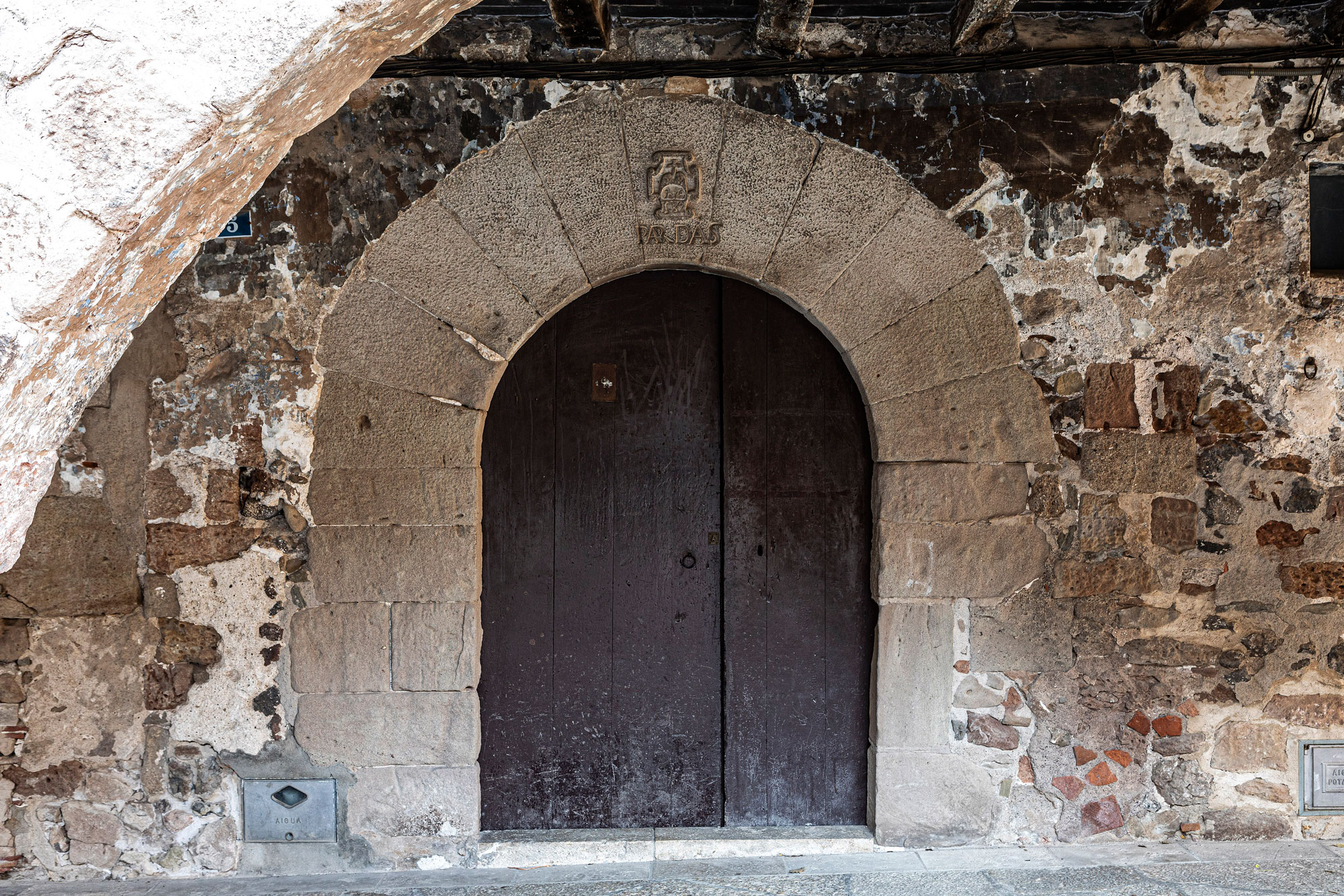
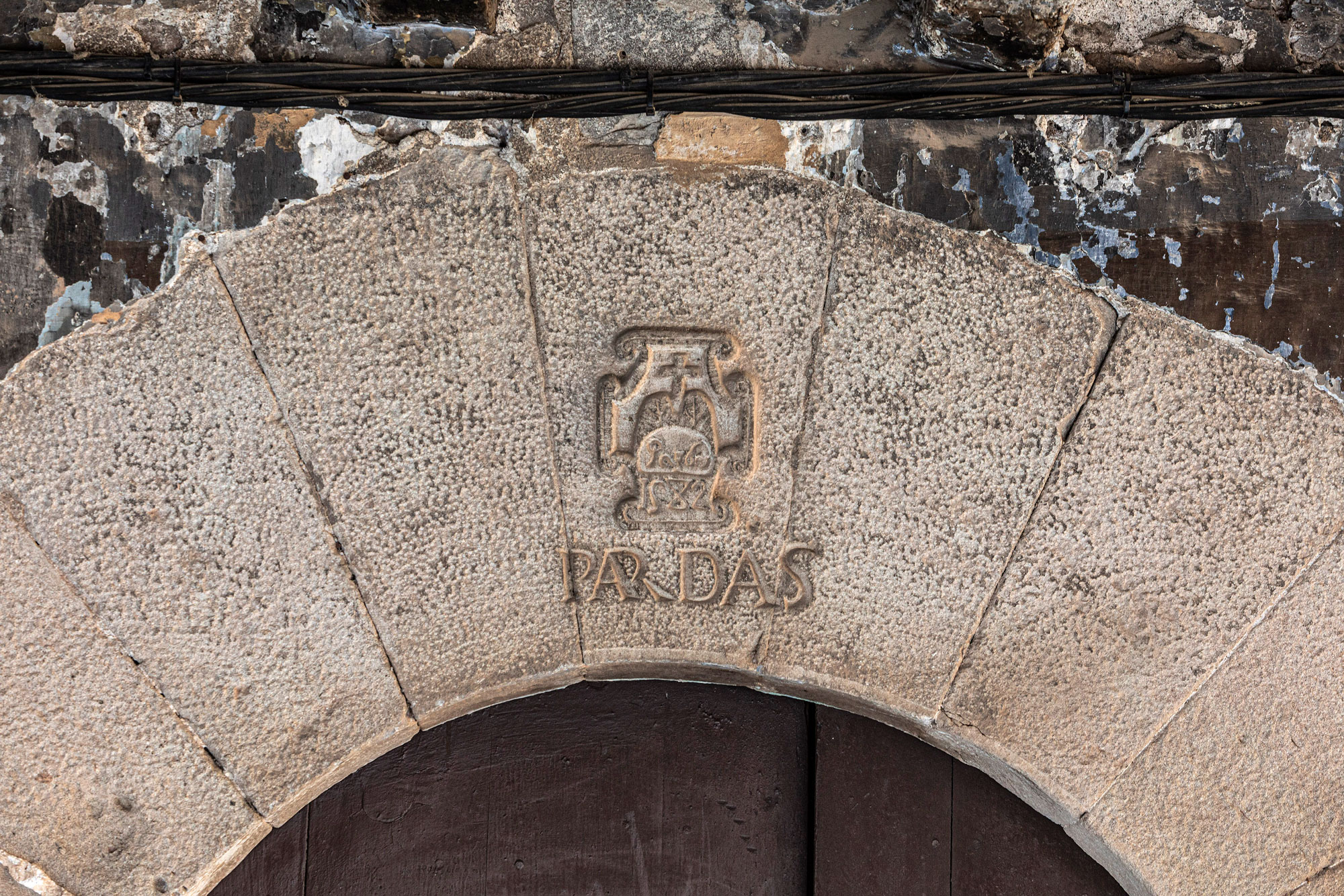
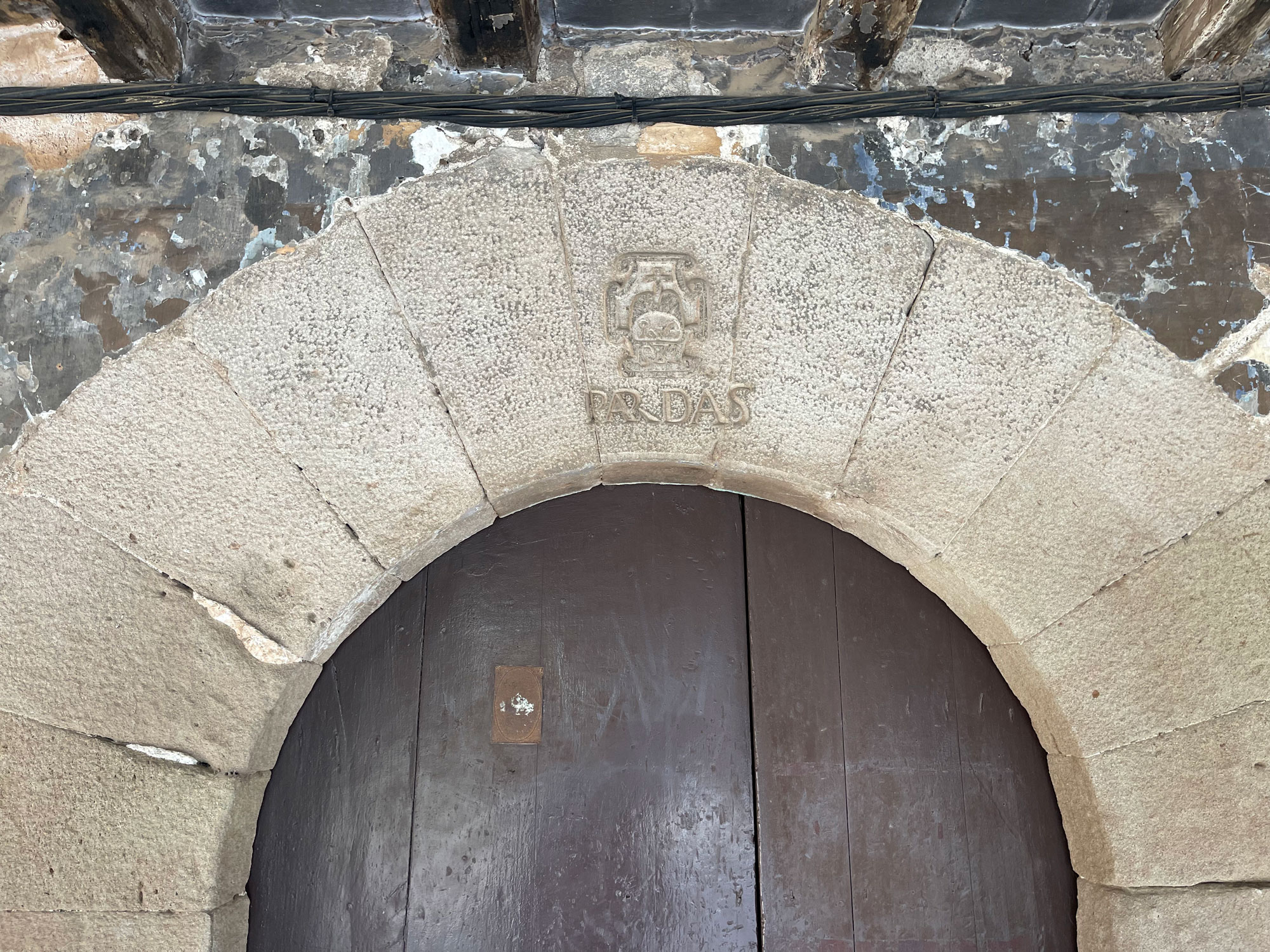
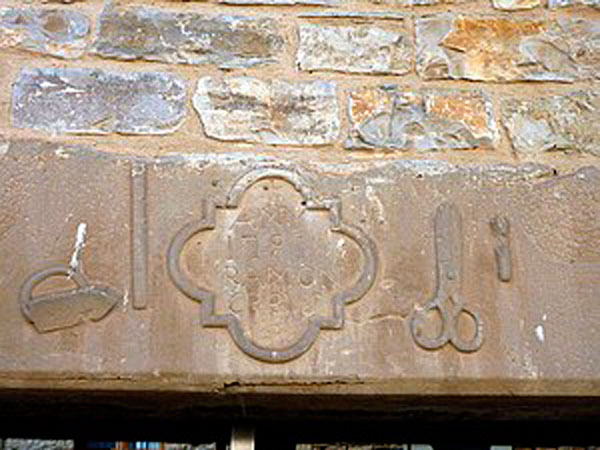
Date: 1582.
Inscription: "Pardas/ IS82/ PARDAS".
Symbolism: Inside a scroll-shaped card or sign, in the middle of a mountain, a cross rises, the name Pardàs in lowercase, and the year 1582.
Location: Central lintel of an arched door.
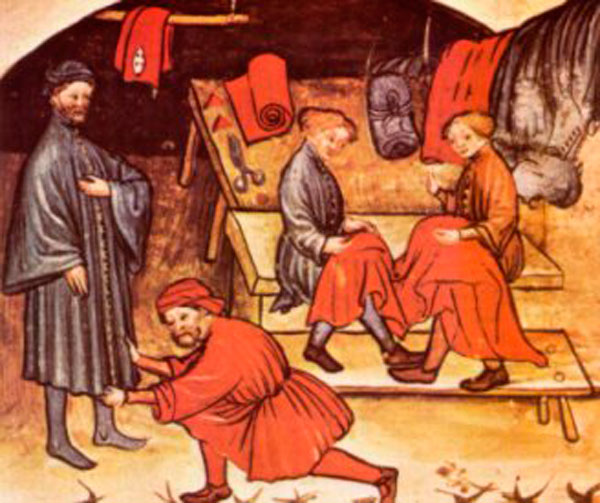
Trade
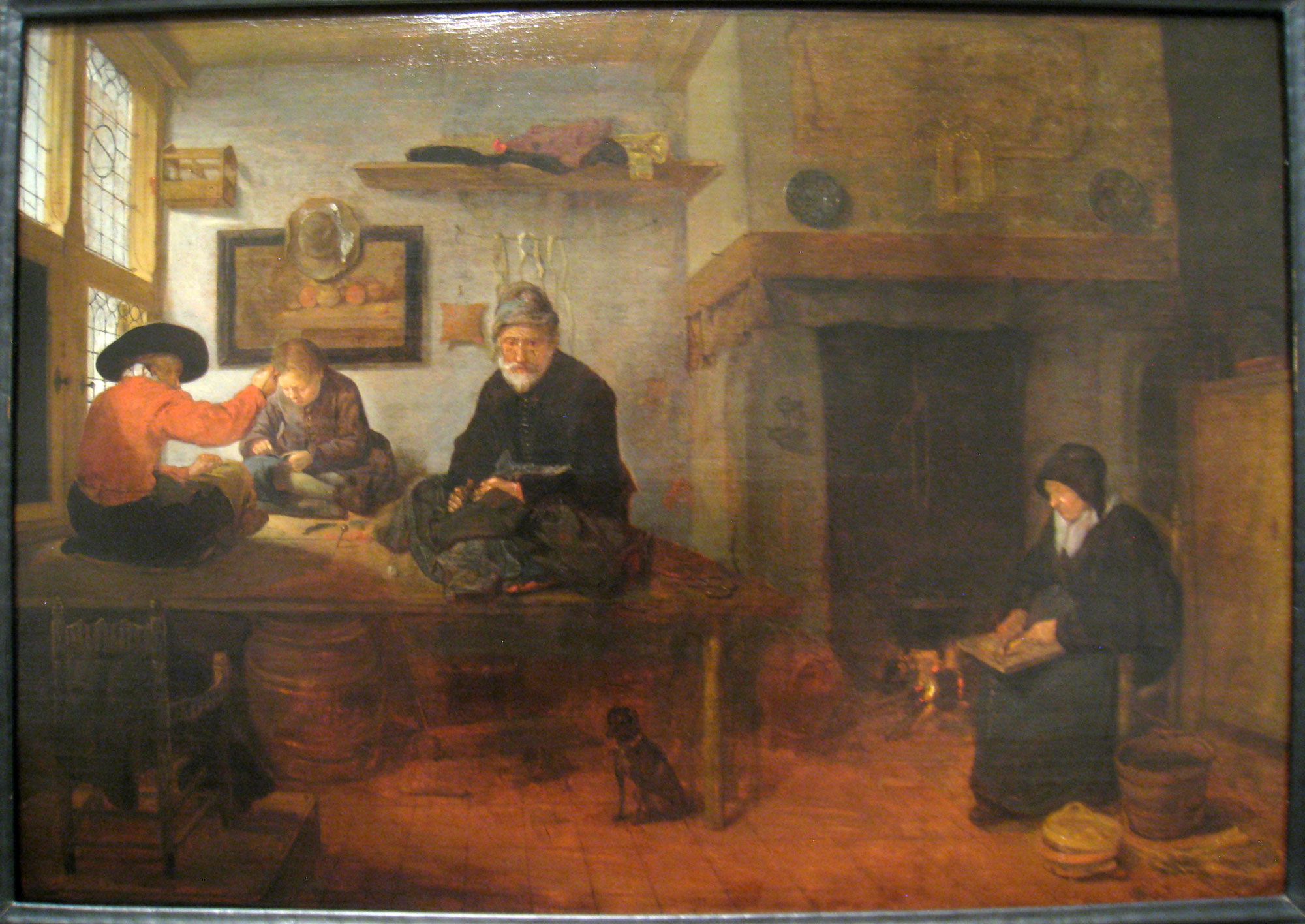
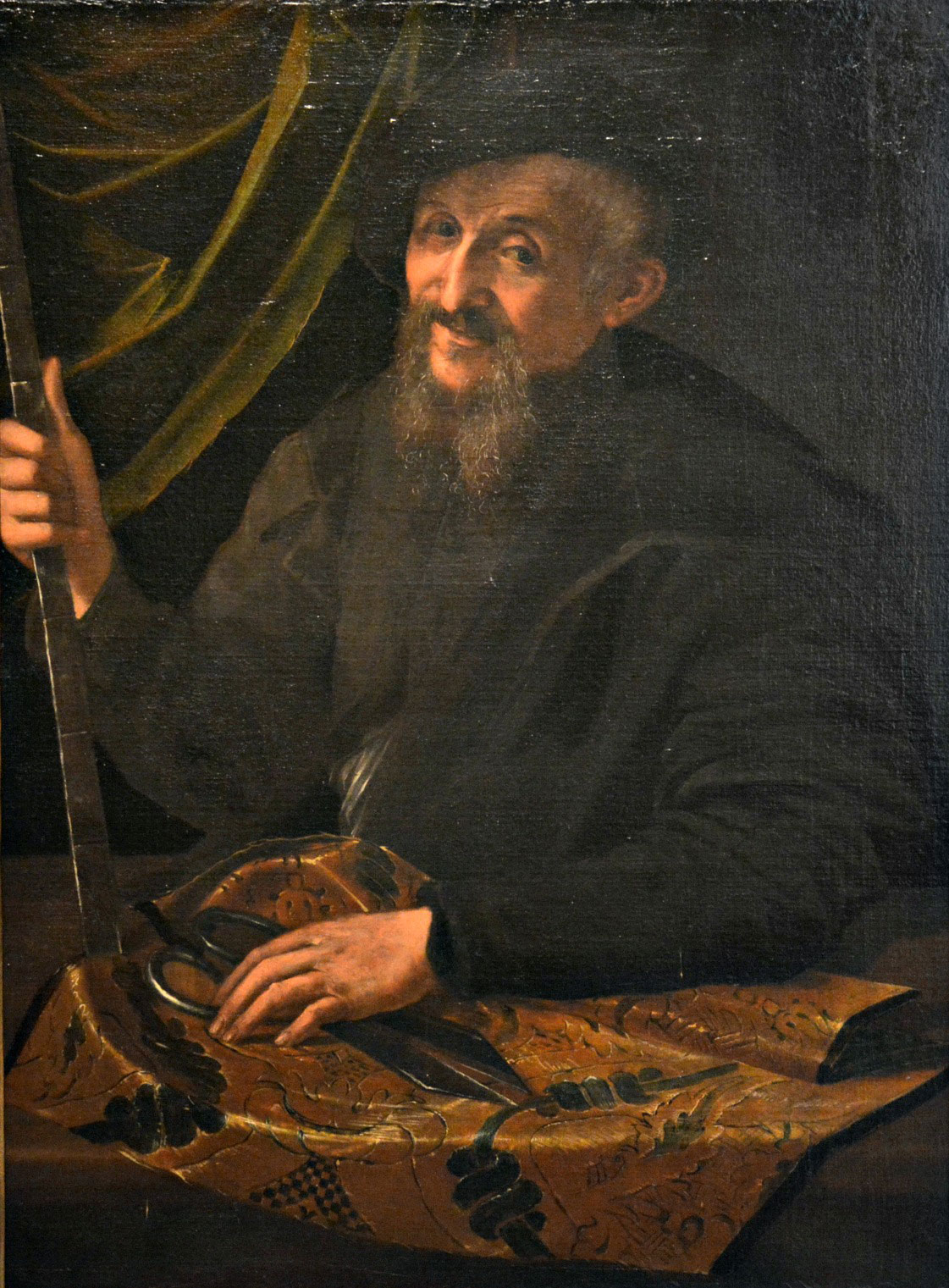
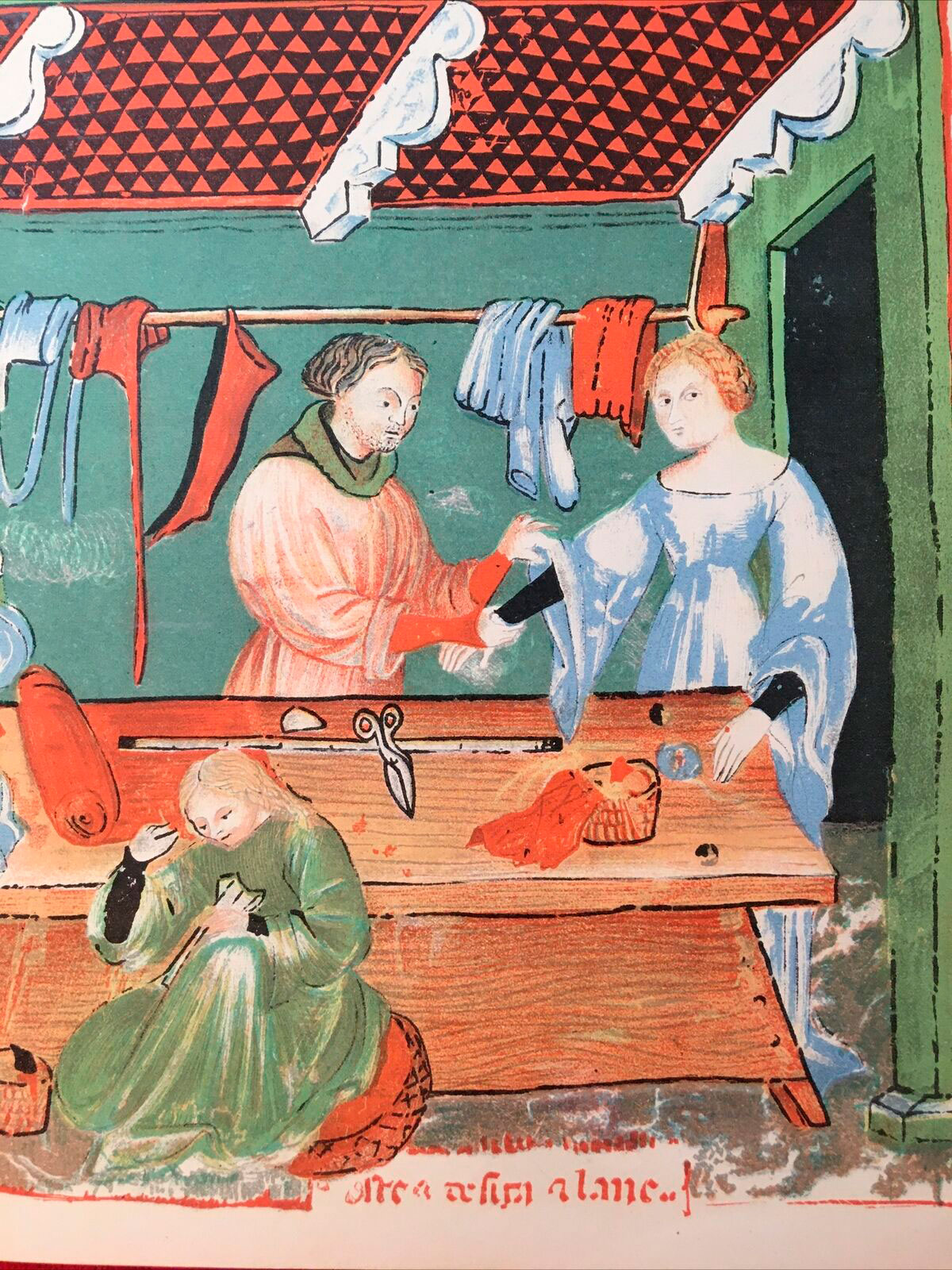
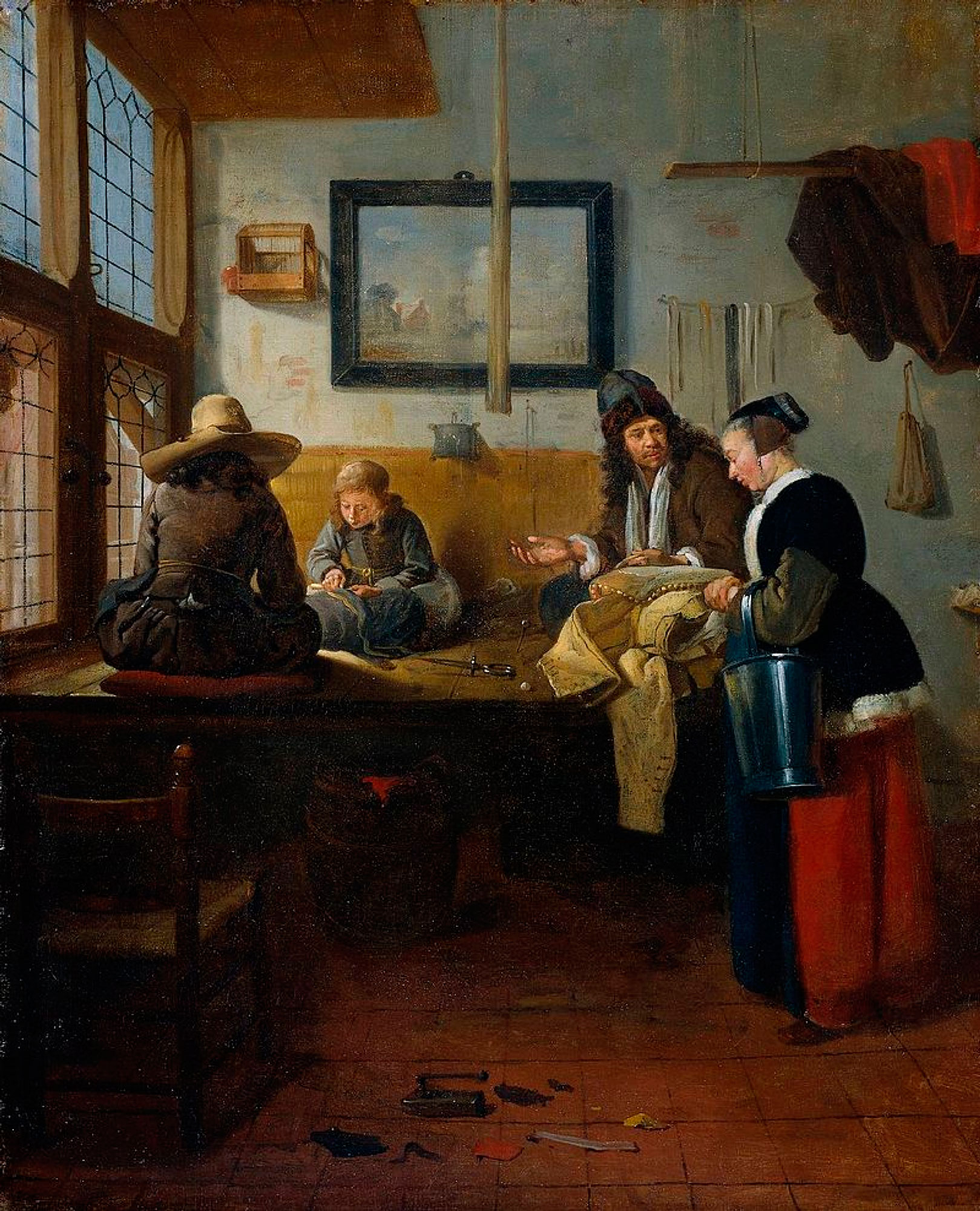
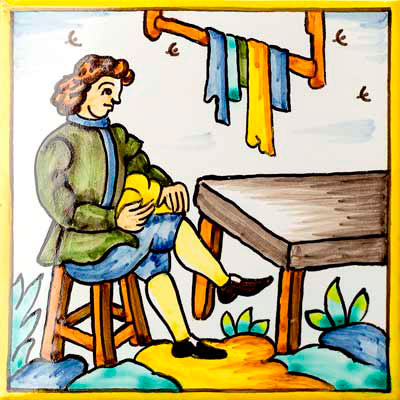
The tailor was the craftsman who made different pieces of clothing. He also repaired garments. His was one of the last phases of the entire process of fabricating textiles. The most common tools were scissors, threads, and various measuring systems. Other professions related to the world of tailoring were furriers, hat makers, sock makers, or doublet makers. They enjoyed considerable social and economic prestige as local agents, as their specialized activity meant that going to the tailor was common for many inhabitants of towns and cities in Catalonia.
Biography
At the end of the 15th century (1497), we already find the Pardàs family in the old town of Santa Pau. At the end of the 16th century (1582), the time when this house was built, we find different members of the Pardàs family in Santa Pau. Manuel Pardàs, son of Miquel and Rafela Pardàs. Manuel Pardàs served as a viewer and judge of the town and barony of Santa Pau in the late 1570s and early 1580s. His usual profession was that of a tailor. But he was chosen by the Baron of Santa Pau, Berenguer d'Oms, as a viewer, the authority with governmental, judicial, and administrative jurisdiction in the town, barony, and castles of Santa Pau and Finestres.
Galeria
Localització
-
Plaça Major, 5, Santa Pau, Espanya

