



- Get directions
- Share
- Leave a review
- Claim listing
- prev
- next
Informació
Symbolism
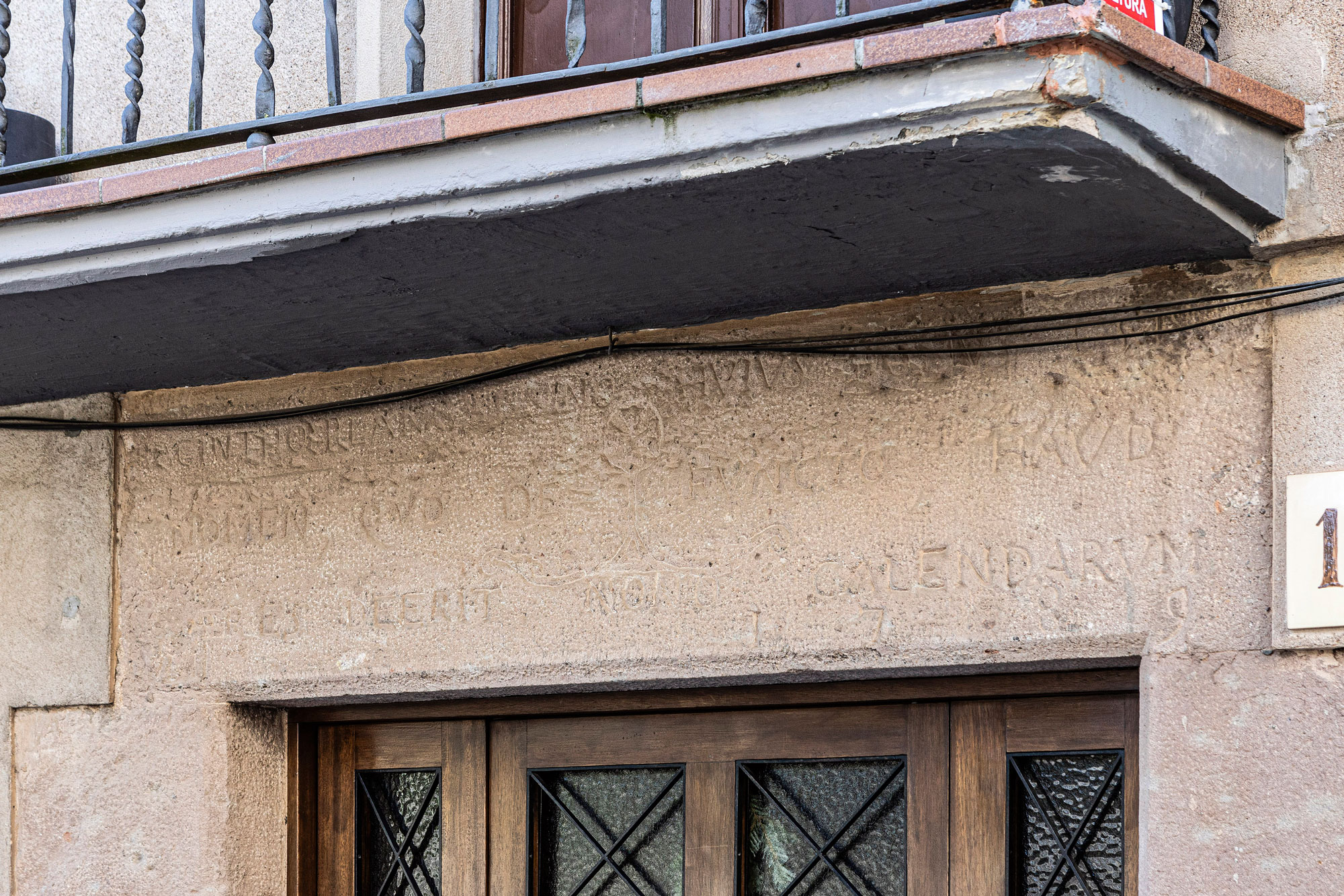
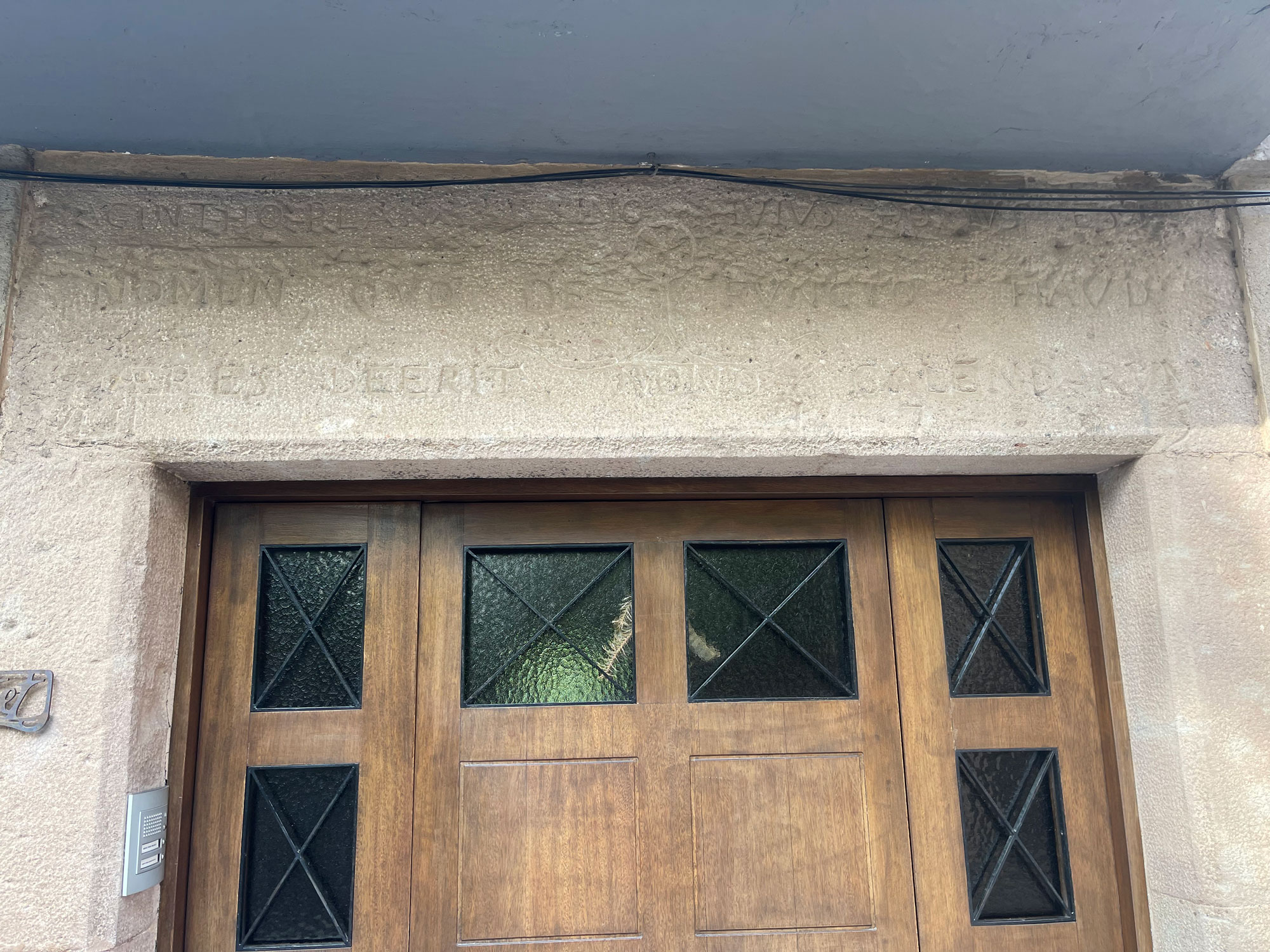
Date: May 24, 1789.
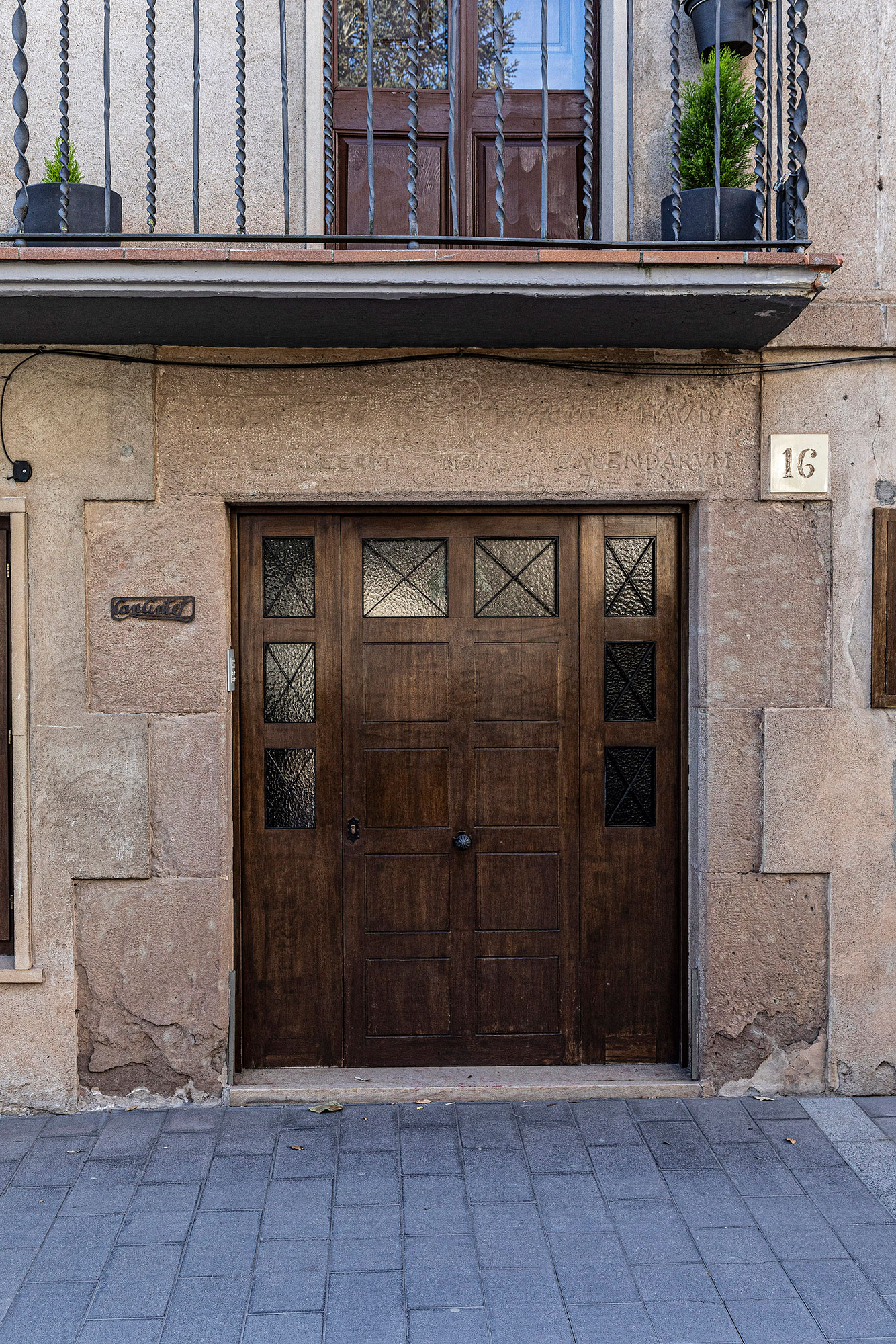
Inscription: in Latin, "IACINTHO PLANAS INO DOMVS EST/ NOMEN QVO DEFUNCTO HAVD/ HERES DEERIT NONO CALENDARUM/ VI? I789": "Jacint Planas is the lord of this house, once deceased, there will not be lacking an heir. Nine of the calends of June 1789."
Symbolism: In the center, resembling a custodian, a four-armed cross rises on a triangular base with floral ends.
Location: Horizontal lintel of the main door.
Trade
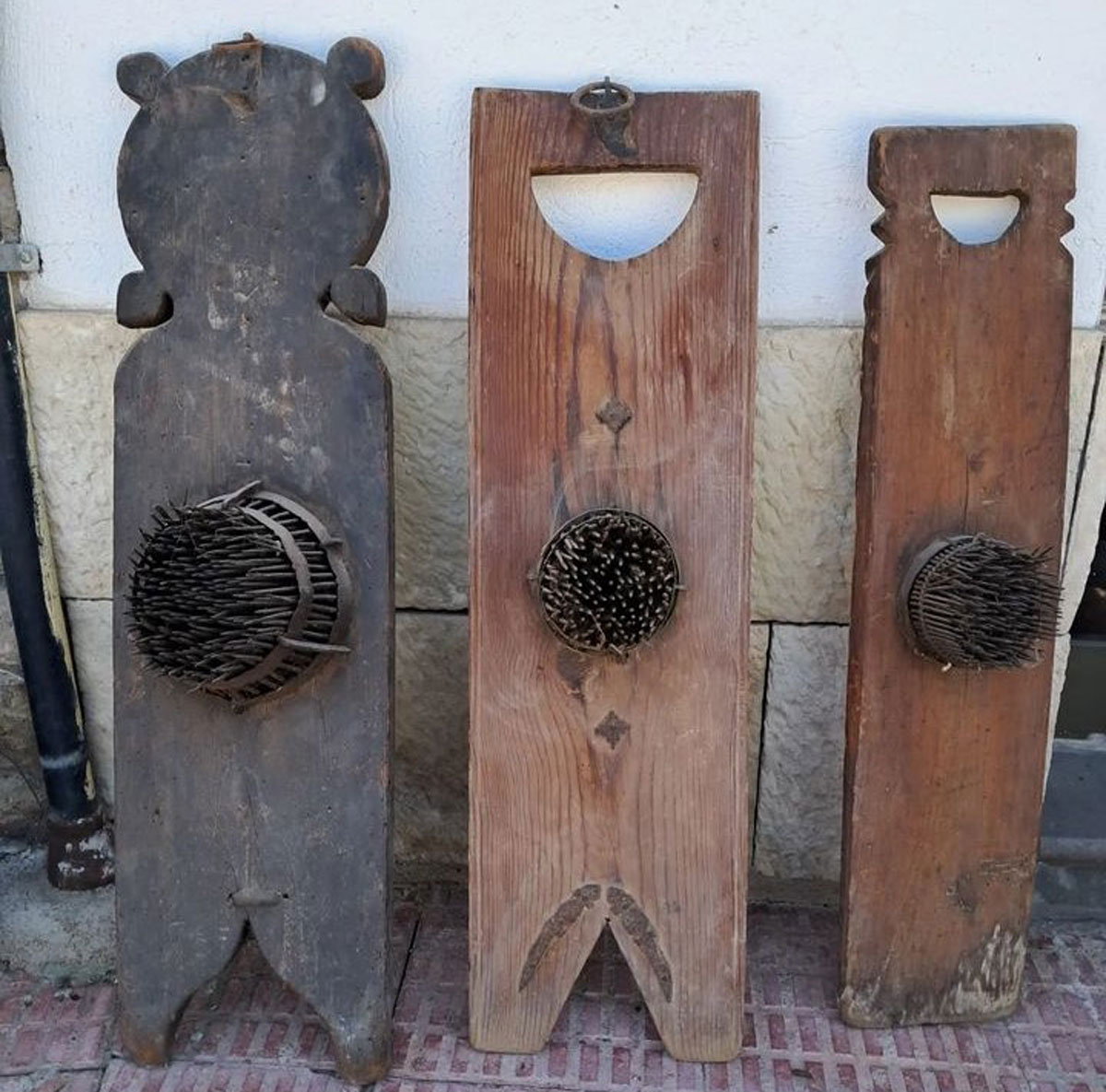
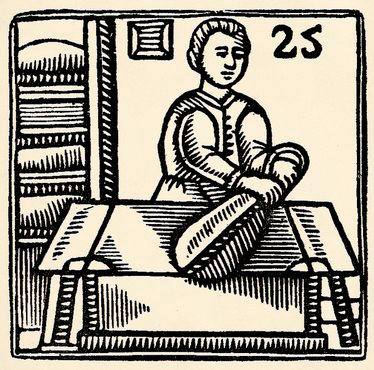
The clothier is the craftsman who deals with wool, hence he was called the "lord of the cloth." He is the artisan who prepared the wool before taking it to the weaver; he bought it already sheared from the herders, washed it, combed it, carded it, and took it to be spun; then he collected it and took it to the weavers who wove the fabrics, once woven, they were beaten (in the draper's mill), carded, stretched, and lowered (cut and leveled the fibers with lowering scissors).
Biography
Jacint Planas (or Plana) i Ribera, clothier, was the son of the brazero and worker Miquel Planas and Maria Teresa Rivera. On July 12, 1769, he married Maria Gràcia Taner i Pujol, daughter of the weaver Francesc Taner and Maria Pujol. In addition to his activity as a clothier, we know that he diversified his investments in real estate and credit. He acquired the house in 1782 from some farmers in Merlant (Pla de l'Estany), and until 1789, he renovated and adapted it for his family. To carry out these works, he incurred debt through the issuance of various bonds and private loans.
Galeria
Localització
-
Carrer del Pont, 16, Santa Pau, Espanya

